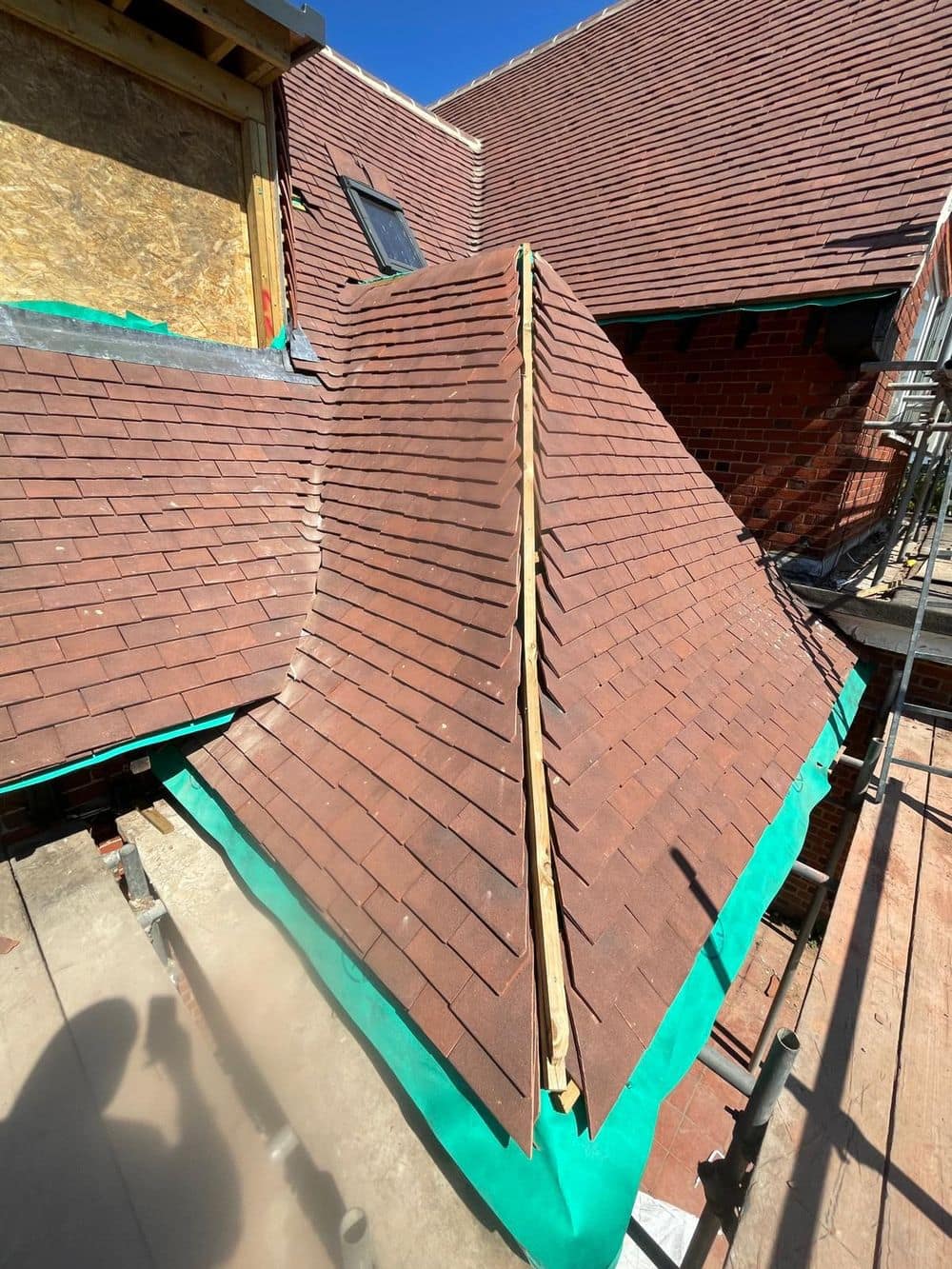
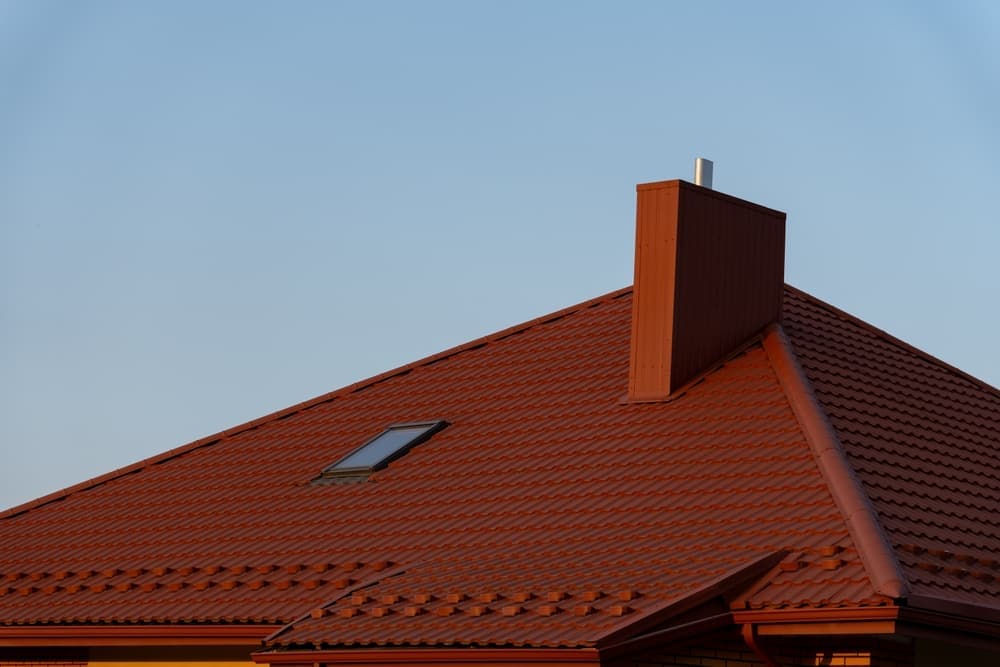
Warm Flat Roof is a relatively new technology of roof construction that increases energy efficiency and insulation. Warm flat roofs can be applied in both residential building, commercial building, and extension projects. In contrast to the usual cold roof, insulation in this case is placed above the roof deck. This ensures proper distribution of temperatures inside the building at any time of the year.
At Dexters Build Ltd, we offer high-quality flat roof services in both residential and commercial construction projects. We specialize in providing our clients with strong and insulated solutions.
How does a warm flat roof work?
The construction of a warm flat roof includes several essential components. The roof deck is the main element of the roof structure that carries all the weight. In order to protect the building from penetration of moisture, the appropriate protective coating is installed. High-quality insulation boards are then placed above the roof deck to provide thermal insulation inside the roof. Above the insulating boards, waterproofing coating is applied, providing protection against rainwater. This design keeps the roof deck warm and helps reduce the risk of moisture build-up within the roof structure.
Moreover, due to waterproofing, the wooden roof deck is protected from weather influences and moisture, thus prolonging its service life.
Benefits of a Warm Flat Roof
Improved Energy Efficiency
A warmed-up flat roof increases insulation and minimizes energy loss during winter times. Higher energy efficiency allows homeowners to save money on energy bills.
Reduced Risk of Condensation
Traditional cold roofs often experience condensation problems because cold air can enter the roof structure. A warm roof helps prevent condensation by keeping the roof structure insulated and consistently warm.
Long-life Roof Structure
The roof structure will not be affected by temperature changes and harsh weather conditions. This way, the life expectancy of the roofing structure increases.
Contemporary Design Options
The warmth flat roof can be applied when designing garage structures, house extensions, offices, garden houses, and commercial constructions. Roofing materials that can be used with the system include EPDM rubber, fiberglass, felt, and even green roofs.
Compliant with building regulations
Modern building regulations emphasize better insulation and energy efficiency. Warm flat roofs help property owners meet these requirements easily.
Difference between warm roofs and cold roofs
The primary difference exists in the location of insulation and structural nature of the roof itself. When building a cold roof, one installs insulation material under the deck of the roof. Cold roofs are prone to ventilation issues and condensation problems.
In the case of a warm roof, insulation material is located over the deck. Therefore, warm flat roofs have become more popular in construction work in recent times.
Is a warm flat roof suitable for your property?
Insulation for warm flat roofs is an excellent option for enhancing and saving on repairs. The system can be used for new builds, garages, renovations, and refurbishing old flat roofs.
Dexters Build Ltd assists customers in selecting the right roofing system for their projects.
Frequently Asked Questions
1. What is the purpose of a warm flat roof?
Unventilated flat roof insulation improves and reduces heat loss and condensation.
2. Does a warm flat roof save energy?
Yes, a warm flat roof provides excellent thermal performance and reduces heating costs.
3. How long does a warm flat roof last?
A professionally installed warm flat roof can remain effective for decades.
4. Is it possible to install a warm flat roof on an older building?
Yes, it is possible to install a hot flat roof on an existing property, provided that the building itself is stable enough to hold the installation.
5. What is the best material to use on a warm flat roof?
EPDM rubber, fiberglass, and high-performance felt are considered popular and strong choices.