Exterior roof cladding is the protective outer layer installed on a roof to shield a building from weather conditions such as rain, wind, heat, and snow. It also improves the building’s appearance and enhances insulation and durability.
In simple terms, roof cladding is the “skin” of the roof that protects the structure underneath while improving energy efficiency and design.
How Exterior Roof Cladding Works
Roof cladding works as a barrier system placed over the roof structure. It is usually fixed on a framework and can include different materials such as metal sheets, tiles, or composite panels.
Its main functions are:
- Protecting the roof from water leakage
- Reducing heat transfer
- Increasing structural lifespan
- Improving building aesthetics
- Providing weather resistance
Types of Exterior Roof Cladding
There are several types of roof cladding used in residential and commercial buildings:
1. Metal Roof Cladding
Metal sheets (steel, aluminum, zinc) are widely used for durability and long life. They are resistant to extreme weather conditions and fire.
2. Tile Roof Cladding
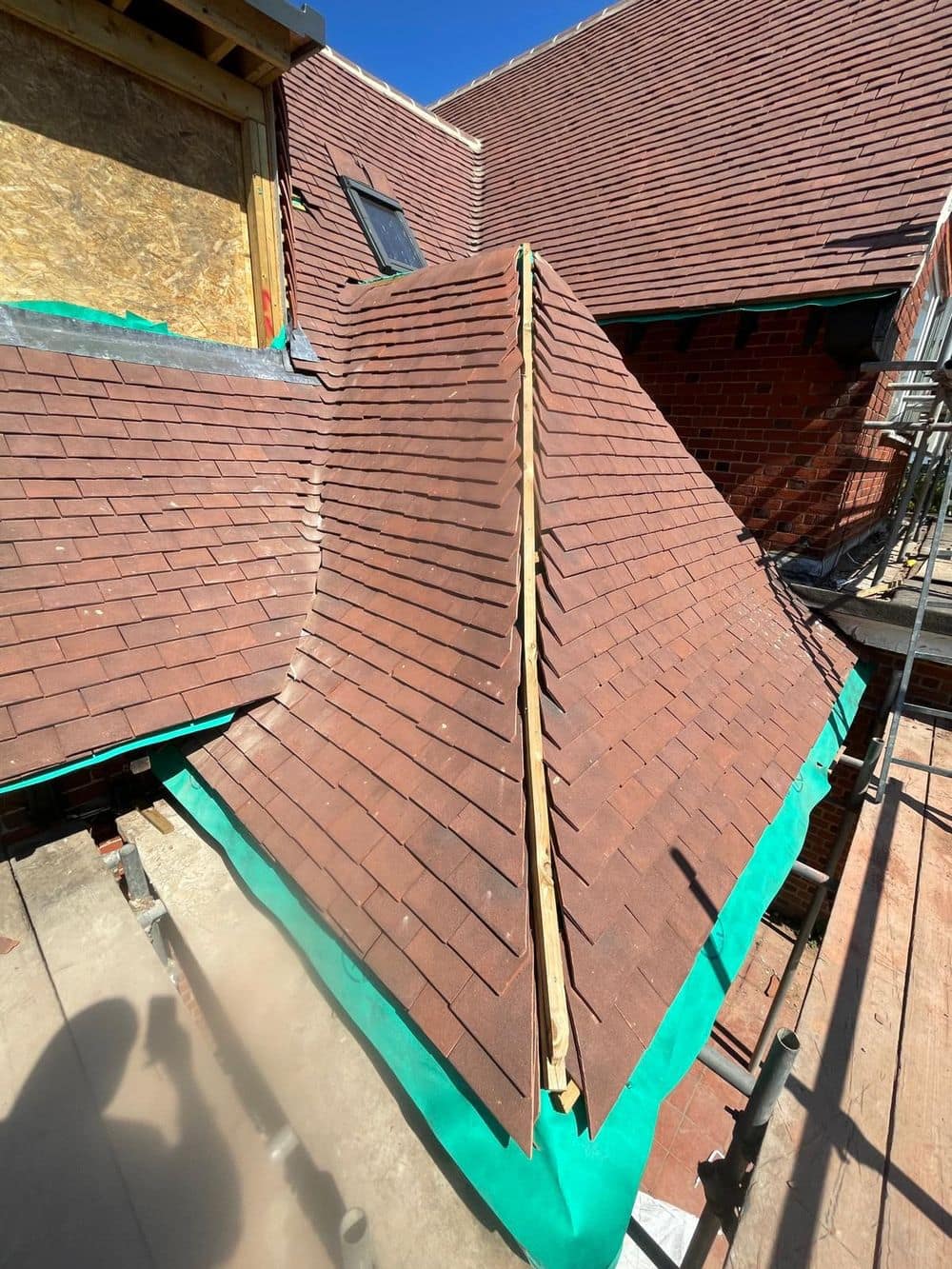
Clay or concrete tiles provide a traditional look and strong thermal insulation. Common in residential buildings.
3. Slate Roof Cladding
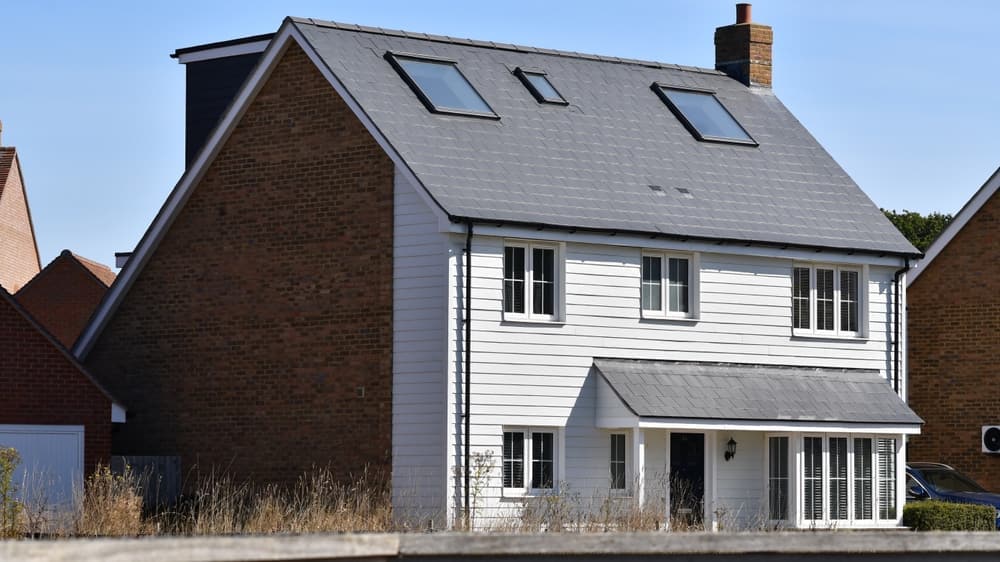
Natural stone material that is highly durable and long-lasting, often used in luxury homes.
4. Bitumen Roof Cladding
Flexible and waterproof material commonly used in flat or low-slope roofs.
5. Composite Roof Panels
Modern engineered panels combining insulation and weather resistance in one system.
Benefits of Exterior Roof Cladding
Exterior roof cladding offers several important advantages:
- Weather Protection: Shields buildings from rain, UV rays, and storms
- Thermal Insulation: Reduces heat loss and lowers energy bills
- Durability: Extends roof lifespan significantly
- Aesthetic Appeal: Enhances modern architectural design
- Low Maintenance: Requires less repair compared to traditional roofing
What is Roof Cladding Used For?
Roof cladding is used in:
- Residential houses
- Commercial buildings
- Warehouses
- Industrial facilities
- Modern architectural projects
It is especially important in regions with extreme climates where roof protection is critical.
Exterior Roof Cladding in Modern Construction
In modern architecture, exterior roof cladding is not only functional but also a design feature. Architects use different textures, colors, and materials to create visually appealing buildings while maintaining performance efficiency.
Energy-efficient buildings now often use insulated roof cladding systems to reduce carbon emissions and energy consumption.
Installation of Roof Cladding
Roof cladding installation typically involves:
- Preparing the roof structure
- Installing insulation layers
- Fixing support frames
- Attaching cladding panels or sheets
- Sealing joints for waterproofing
Professional installation is recommended to ensure safety and long-term performance.
FAQs About Exterior Roof Cladding
What is the purpose of roof cladding?
Roof cladding protects the building from weather damage, improves insulation, and enhances appearance.
Is roof cladding waterproof?
Yes, most roof cladding systems are designed to be waterproof when properly installed.
How long does roof cladding last?
Depending on the material, it can last between 20 to 70 years.
Is roof cladding expensive?
Costs vary based on material type, but metal and composite systems are generally more cost-effective long-term.
Contact Dexters Build Ltd today for trusted exterior roof cladding and professional roofing services.