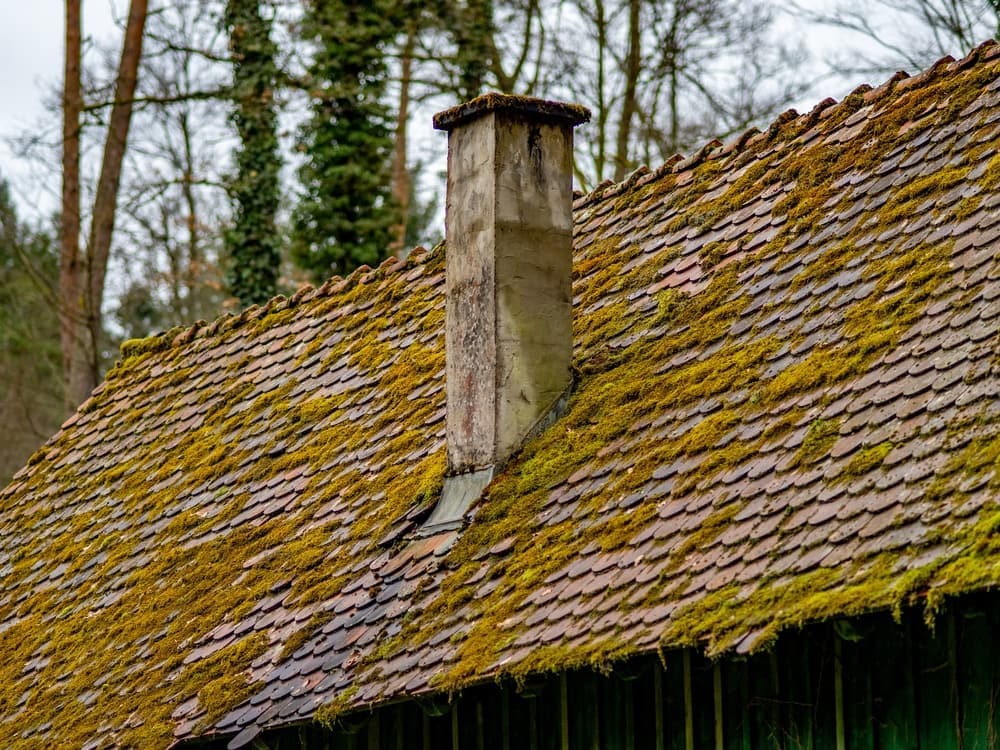
Moss growth on roofs is a common problem for homeowners, especially in areas with damp weather and limited sunlight. While moss may appear harmless at first, it can slowly damage roof tiles, trap moisture, and reduce the lifespan of your roof. If ignored for too long, moss buildup can eventually lead to leaks, blocked gutters, and costly roof repairs.
Understanding the best way to remove moss from a roof can help protect your property and maintain the overall condition of your home. Many homeowners trust Dexters Build Ltd for professional roof cleaning and moss removal services because of their safe methods and reliable roofing expertise.
In this guide we explain why moss grows, why it is worth dealing with, exactly how to get moss off a roof safely, and how to stop it coming back. We also cover the all important question of whether you should tackle the job yourself or call in a professional.
Why Does Moss Grow on Roofs?
Moss thrives in moist and shaded environments. Roofs that receive little sunlight or are surrounded by trees are more likely to develop moss over time. Rainwater, humidity, and poor roof ventilation can also encourage moss growth.
The better you understand the cause, the easier it is to stop the problem returning. In the UK climate moss is incredibly common because we have long spells of cool, wet weather and plenty of shade. North facing roof slopes are the worst affected, as they dry out slowly and stay damp for most of the day. Tiny moss spores are carried on the wind and settle in the gaps between tiles, where they take hold in any trapped dirt, leaf litter, and moisture.
Common causes of roof moss include:
- Damp weather conditions
- North facing or heavily shaded roof slopes
- Overhanging tree branches
- Poor drainage systems
- Blocked gutters
- Lack of regular roof maintenance
Although moss may initially look like a small cosmetic issue, it can gradually weaken roof tiles and create long-term roofing problems.
Why Removing Moss Is Important
Moss absorbs and retains moisture, which can damage roofing materials over time. During colder months, trapped water may freeze and expand, causing roof tiles to crack or loosen.
This freeze thaw cycle is one of the biggest hidden dangers of leaving moss in place. Moss acts like a sponge, holding water against the tiles long after the rain has stopped. When that water freezes overnight it expands, and over many winters it can split tiles, lift their edges, and break down the surface of the tile so it absorbs even more water. Thick clumps of moss also slide down the roof and wash into the guttering, where they cause blockages that send rainwater spilling down the walls. If your gutters keep overflowing, moss is often the culprit, and a gutter cleaning visit alongside roof cleaning usually solves it.
Removing moss from your roof offers several benefits:
- Prevents water damage
- Extends roof lifespan
- Improves roof appearance
- Protects gutters from blockages
- Reduces future repair costs
Professional roof maintenance from companies like Dexters Build Ltd can help prevent these issues before they become expensive repairs.
What Is the Best Way to Remove Moss From a Roof?
There are several methods for roof moss removal, but not all of them are safe for every type of roof. The best approach depends on the roofing material, the amount of moss growth, and the overall condition of the roof.
The best way to remove moss from a roof is to brush and scrape it off by hand using a soft brush or a plastic scraper, working gently from the top of the roof downwards, and then to apply a moss killing biocide treatment to slow regrowth. This patient, low pressure approach lifts the moss without stripping the protective surface of the tiles or forcing water underneath them, which is exactly what makes it both safe and long lasting.
1. Manual Moss Removal
Manual moss removal is one of the safest and most effective methods. This process involves gently scraping moss from roof tiles using specialised tools or soft brushes.
Benefits of manual removal include:
- Reduced risk of tile damage
- Better control during cleaning
- Suitable for delicate roofing materials
- Immediate visible results
Roofing professionals like Dexters Build Ltd use proper safety equipment and gentle cleaning techniques to protect the roof during this process.
2. Biocide and Fungicide Treatments
Once the bulk of the moss has been brushed away, applying a roofing biocide or fungicide is the key step that keeps the roof clean for far longer. These treatments are specially formulated to kill off the remaining moss spores, algae, and lichen that you cannot see, and they continue working in the weeks after application. Many products are designed to be left on the roof so that rain and time gradually wash the dead growth away, leaving the tiles looking clean without any aggressive scrubbing.
For the best results, a biocide should be applied to a dry roof on a still, mild day so it has time to soak in rather than running straight off or being blown onto plants below. A professional roofer will choose a product suited to your tile type and will protect surrounding planting and drains while it is applied.
3. Soft Washing Treatment
Soft washing is another highly recommended solution for roof moss removal. This method uses low-pressure cleaning combined with specially designed roof-cleaning solutions that kill moss, algae, and lichen.
Advantages of soft washing include:
- Safe for most roof types
- Prevents moss regrowth
- Cleans roof surfaces thoroughly
- Protects roof coatings and materials
Unlike aggressive cleaning methods, soft washing helps maintain the structural integrity of roof tiles.
4. Avoid Pressure Washing
Many homeowners assume pressure washing is the fastest way to clean a roof. However, high-pressure washing can actually cause serious damage to roof tiles and force water underneath the roofing structure.
High-pressure jet washing strips the weatherproof surface off the tiles, which makes them far more porous and more likely to grow moss again quickly. Worse, the force of the water can be driven up under the tiles and into the roof structure, soaking the felt and timbers and leading to leaks inside the property. For these reasons it is best avoided on almost every domestic roof. Pressure washing may lead to:
- Cracked or broken tiles
- Water leaks
- Damaged roof coatings
- Shortened roof lifespan
Most roofing experts recommend avoiding pressure washing unless it is performed carefully by experienced professionals.
How to Get Moss Off a Roof: Step by Step
If you are wondering how to get moss off a roof safely, the process follows a clear order. Rushing or skipping the safety steps is where most accidents and tile damage happen, so take your time.
- Check the weather and the roof. Choose a dry, calm day and inspect the roof first for cracked, slipped, or loose tiles. If you spot damage, it is safer to arrange roof repairs before any cleaning begins.
- Set up safe access. Use a securely footed ladder or, for larger jobs, proper scaffolding or a roof ladder. Never put your full weight directly on the tiles.
- Start at the top and work downwards. Always remove moss from the ridge down towards the gutters. Working top to bottom means you lift the moss in the same direction the tiles overlap, so you avoid catching their edges and forcing debris underneath them.
- Brush gently. Use a soft bristled brush or a plastic scraper to ease the moss away. Let the tool do the work and avoid digging into the tile surface.
- Clear the debris. Sweep the loosened moss off the roof and out of the valleys, then clear it from the gutters so it cannot cause blockages.
- Apply a biocide treatment. Finish by treating the clean roof with a moss killing solution to tackle remaining spores and slow future growth.
- Check the gutters and downpipes. Make sure rainwater can flow freely. Pairing the job with guttering checks keeps the whole drainage system working properly.
Working at Height: Safety First
Roof cleaning is genuinely dangerous work. Roofs are steep, slippery when damp, and a fall from height can cause life changing injuries. Wet moss makes tiles even more treacherous underfoot. If you do choose to clean a low, easily reached single storey roof yourself, never work alone, always use stable and correctly secured access equipment, wear sturdy non slip footwear, and stay off the tiles as much as possible. For anything two storeys or higher, for steep pitches, or for fragile roofs, the safest decision by far is to leave it to a professional with the right access equipment and training.
Should You Do It Yourself or Hire a Professional?
Roof moss removal can be dangerous without proper equipment and experience. Walking on roof tiles incorrectly may cause accidents or damage the roofing structure.
As a rough guide, a small amount of moss on a low, accessible roof that you can reach safely from a stable ladder may be something a confident homeowner can manage with a soft brush. However, anything involving a steep or high roof, heavy moss coverage, fragile tiles, or signs of existing damage is a job for a professional. A roofer will not only clean the roof safely but will also spot early problems such as cracked tiles, worn mortar, or a chimney that needs attention, and can arrange work like chimney rebuilding at the same time.
Hiring professionals offers several advantages:
- Safe roof access
- Proper cleaning methods
- Reduced risk of damage
- Professional roof inspection
- Long-lasting cleaning results
Many homeowners choose Dexters Build Ltd because of their trusted roofing services, attention to detail, and commitment to customer satisfaction.
How to Prevent Moss From Returning
After removing moss, taking preventive measures can help keep your roof clean for longer periods.
One of the most effective long term prevention methods is to fit zinc or copper strips along the ridge of the roof. When it rains, tiny amounts of metal wash down across the tiles and create a surface that moss and algae struggle to grow on. Combined with cutting back overhanging branches to let more sunlight reach the roof, and keeping the gutters clear so water drains away properly, this keeps a roof noticeably cleaner for years.
Helpful prevention tips include:
- Fitting zinc or copper anti-moss strips along the ridge
- Cleaning gutters regularly
- Trimming nearby tree branches to reduce shade
- Improving roof ventilation
- Scheduling annual roof inspections
- Applying professional moss treatments
Routine roof maintenance can significantly reduce future moss growth and help extend the life of your roof.
Final Thoughts
Moss may seem like a minor issue, but it can cause serious roofing problems if left untreated. The best way to remove moss from a roof is through safe and professional cleaning methods such as manual removal and soft washing.
Regular roof maintenance helps protect your property, improve roof durability, and avoid costly repairs in the future. Whether you need roof cleaning, moss removal, or complete roofing services, Dexters Build Ltd provides reliable roofing solutions designed to keep your roof in excellent condition.
Frequently Asked Questions
Does moss actually damage a roof?
Yes. Moss traps moisture against the tiles, which can lead to frost damage in winter as the trapped water freezes and expands. Over time it can lift and crack tiles, block gutters, and shorten the life of the roof, so it is best removed before it becomes a costly problem.
Can I pressure wash moss off my roof?
It is not recommended. High-pressure washing strips the protective surface from the tiles, makes them more porous, and can force water under the tiles into the roof structure, causing leaks. Gentle manual removal followed by a biocide treatment is far safer and longer lasting.
How often should roof moss be cleaned?
Most roofs benefit from being inspected and cleaned every one to three years, depending on the weather, the amount of shade, and how many trees are nearby. A heavily shaded, north facing roof will usually need attention more often than one in full sun.
Does moss come back after cleaning?
Moss can return if the conditions that caused it remain, but you can slow it down significantly. Applying a biocide treatment, fitting zinc or copper strips, keeping gutters clear, and cutting back overhanging branches all help keep the roof clean for much longer.
Get a Free Roof Cleaning Quote
Dexters Build offers professional roof cleaning and moss removal across Bedfordshire, Buckinghamshire and Hertfordshire. Call us on 07951 017425 or 01582 438542, or email info@dextersbuild.co.uk, for a free no-obligation quote.